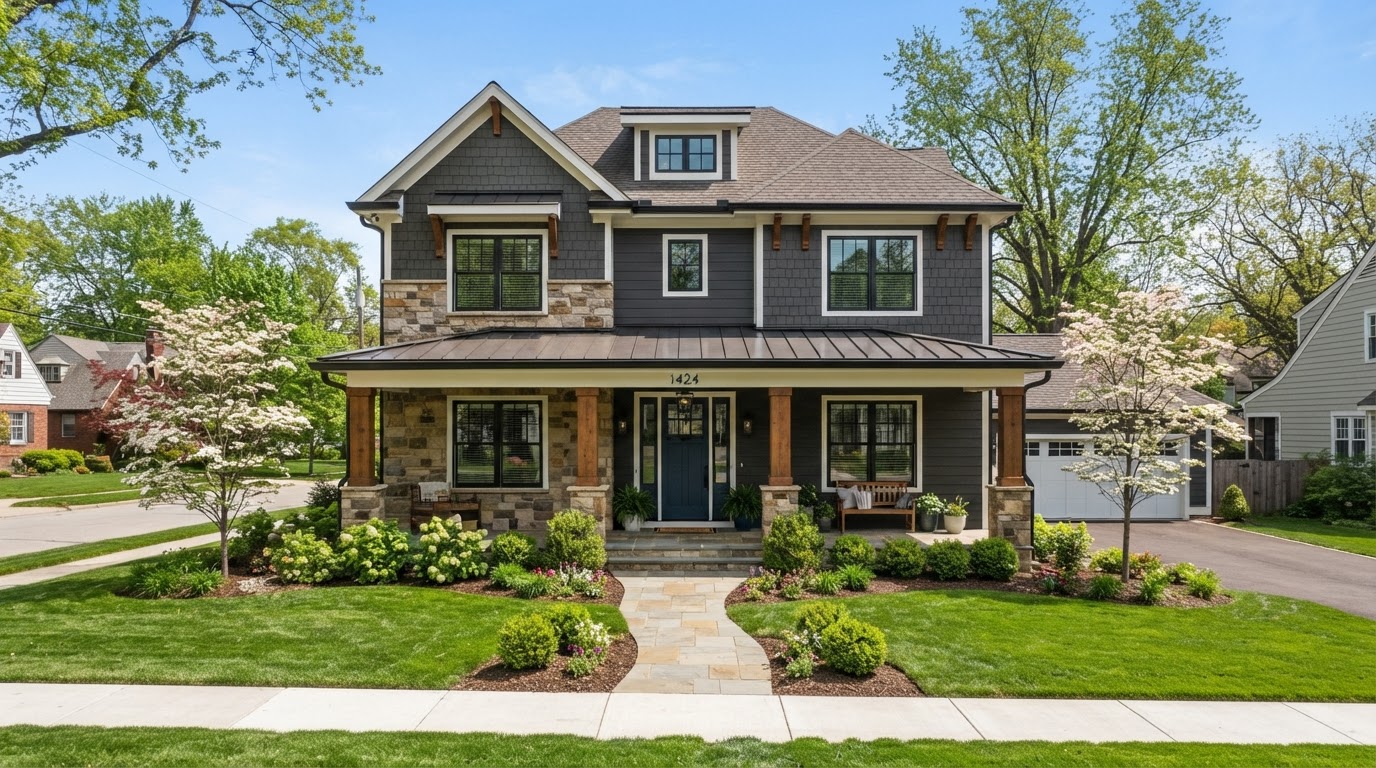

The 70% rule is a back-of-the-napkin filter: Maximum Allowable Offer = (ARV × 70%) − Rehab. It bakes in a 30% margin to cover profit, holding costs, and selling costs. If your offer clears that line, the deal probably works; if not, you need a specific reason to proceed.
Where it comes from: 30% sounds generous, but it disappears fast. Selling costs (agent commissions + closing) run 6–8%, holding costs during a 4–6 month flip run 3–5%, and you want at least 10–15% net profit for the risk. That's your 30%.
When to break it — up. In appreciating submarkets with deep resale buyer pools, a 75% offer can still clear six figures because the exit is fast and the price ceiling is firm. You're trading margin for velocity, which compounds capital faster.
When to break it — down. In softening markets or on heavy rehabs with unknown mechanicals, 70% is too aggressive. Drop to 65% to absorb the surprises that scope-only bids always miss. The deal calculator on this site lets you model both scenarios in seconds.
The rule is a filter, not a price. Use it to kill bad deals quickly, then underwrite the survivors with real numbers. That's the difference between an investor and a gambler.