The investor landscape in 2026 is defined by dispersion: the gap between the best and worst markets has widened, and submarket selection now drives returns more than macro timing. The fundamentals that matter — in-migration, employment growth, and a housing supply deficit — are concentrated in specific regions, not spread evenly.
Sun Belt metros continue to absorb population and capital. Markets across the Southeast and Southwest favor fix-and-flip in established suburban rings where cosmetic ranchers and mid-century homes trade with predictable price-per-square-foot ceilings and deep resale buyer pools. Margins here come from disciplined rehab scopes, not from buying at a steep discount to a rising market.
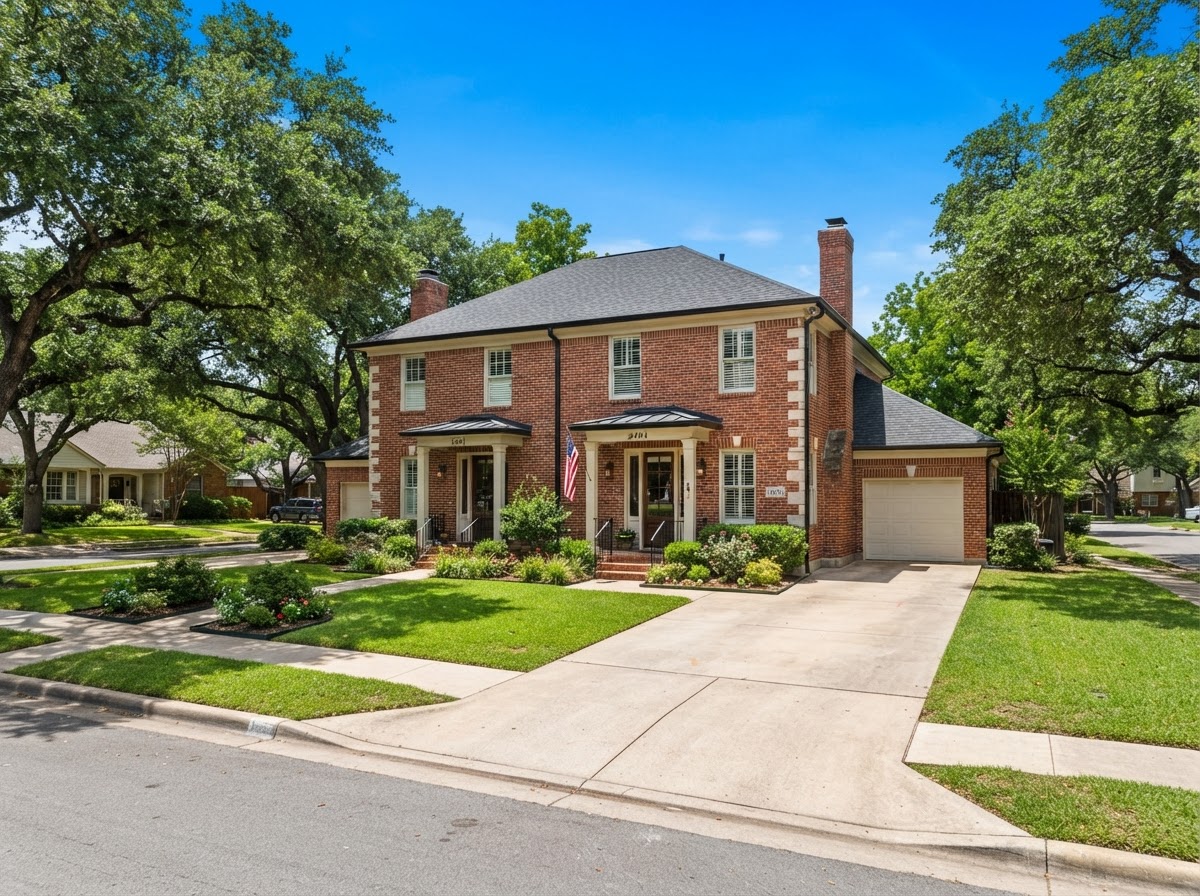
The Midwest and secondary markets are the cash-flow corridor. Lower entry prices, strong tenant demand near employment hubs, and rents that support double-digit cash-on-cash after refinance. Brick and vinyl-sided exteriors keep maintenance low — ideal for remote landlords building portfolios at a distance.
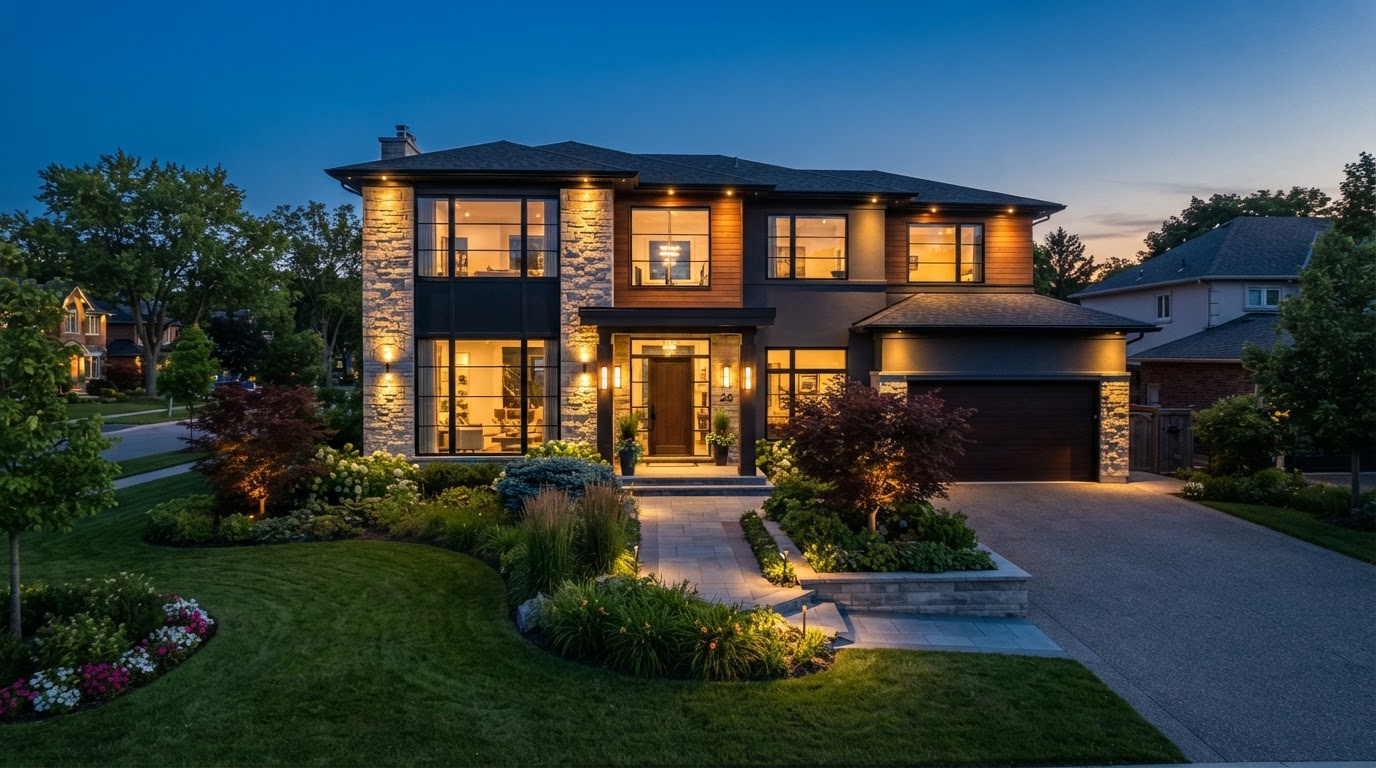
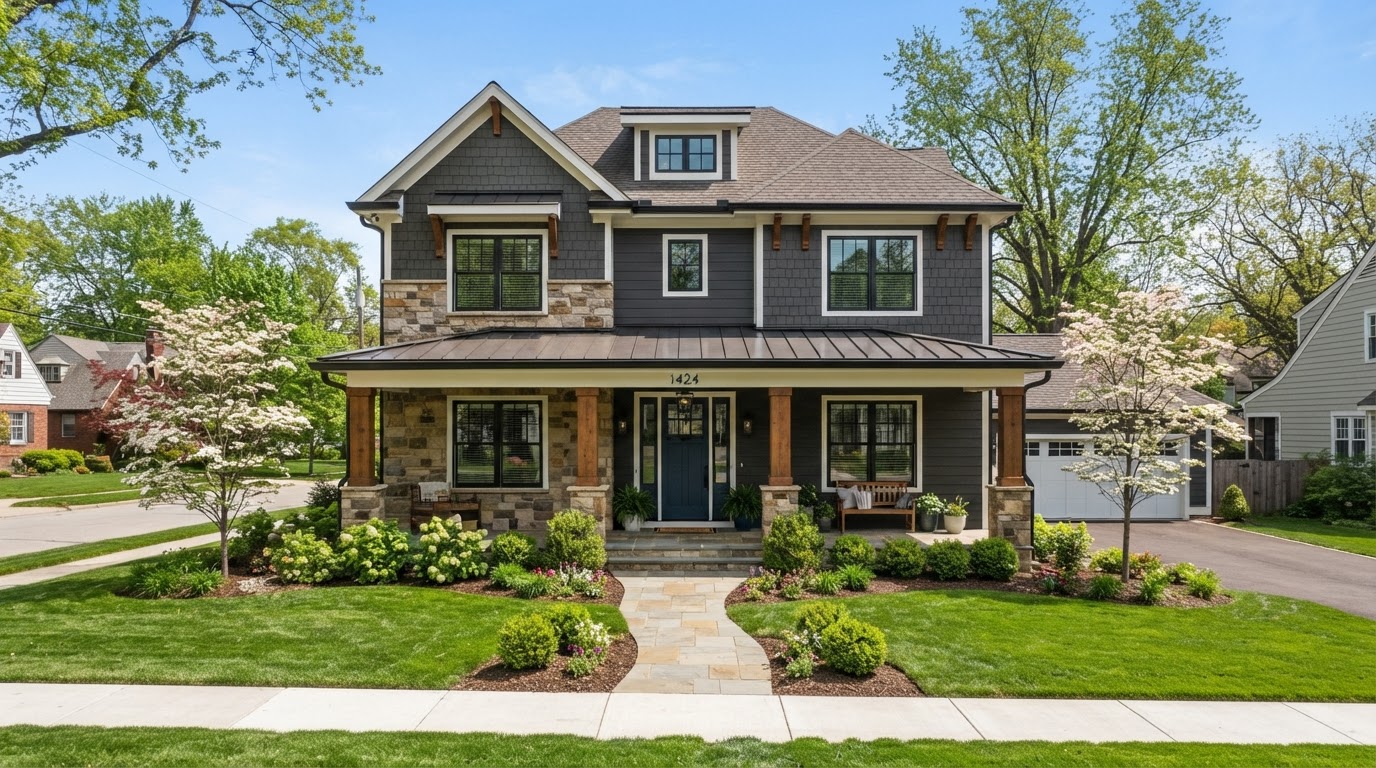
Appreciating suburban rings with top-tier school clusters are the hold-and-executive-flip play. School quality drives resale bidding, and 4-bed product at a discount to ARV is increasingly rare. We see multiple-offer situations on stabilized and finished product within days of listing.
University and hospital workforce hubs sustain small multi-family. Separately metered duplexes near campuses deliver pro-forma cap rates above 11% on stabilization, with two income streams reducing vacancy risk.
The takeaway: don't chase a single market. Build a buy-box around strategy and margin, then let our acquisitions team source deals that fit it — wherever they are. Our inventory spans multiple states precisely because opportunity is regional, not local.